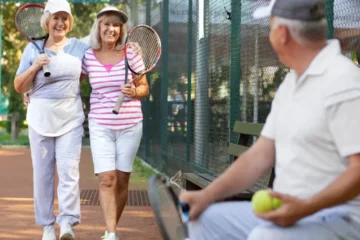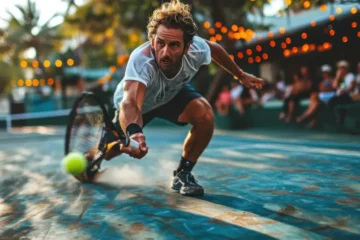


Padel, a fast-paced sport that blends elements of tennis and squash, has skyrocketed in popularity over the past few years. From Stockholm to Singapore, new courts are cropping up in every major city, attracting players of all ages with its social and health benefits. Professional players and celebrities are endorsing the sport, and it has firmly embedded itself in the global sports scene.
But beneath the glossy exterior and growing fan base, padel faces a looming environmental challenge. With rapid expansion comes significant ecological impact—a footprint that many are overlooking in the excitement of the sport’s growth. This article delves into the hidden costs of padel’s meteoric rise, focusing on court construction, synthetic turf, energy consumption, water usage, and the lifecycle of padel equipment. We’ll also explore whether it’s possible for the sport to evolve into a more sustainable industry without compromising its popularity.
The Boom and The Unseen Cost
The Rise of Padel
In recent years, padel has seen a surge in popularity, with the International Padel Federation (FIP) reporting a growth rate of around 10% annually. In countries like Spain, Sweden, and Italy, padel courts are now as ubiquitous as tennis courts, with new facilities popping up almost daily. The sport’s rapid growth is fueled by its inclusivity, making it accessible to players of all skill levels. It’s a fun, engaging way to stay active and socialize, which has made it particularly attractive to recreational players.
Celebrity endorsements, from tennis legends like Rafael Nadal to international stars like Shakira, have further boosted the sport’s global appeal. With an estimated 20 million players worldwide, the momentum shows no signs of slowing down.
The Environmental Dilemma
However, this rise comes with an often-overlooked environmental cost. Every new padel court requires resources, energy, and land. The materials used to build these courts, as well as the equipment required to play, have a substantial environmental footprint. While padel’s health and social benefits are widely recognized, the sport’s expansion could have negative implications for the planet if sustainability is not prioritized.
The rapid development of padel infrastructure, coupled with the high demand for synthetic materials in court construction and equipment manufacturing, presents a significant challenge for those seeking to make the sport more sustainable. As padel becomes a global phenomenon, it is essential that the sport’s stakeholders address its environmental impact head-on.
The Foundation of the Issue: Court Construction & Land Use
The “Urban Sprawl” of Sport
One of the most immediate environmental impacts of padel’s growth is the physical space required to build courts. Many padel facilities are being constructed on greenfield sites, or undeveloped land, which can lead to the destruction of natural habitats and ecosystems. As cities expand and land becomes increasingly scarce, developers are turning to these areas to meet the growing demand for padel facilities. The construction of these courts can contribute to the phenomenon known as urban sprawl, where natural landscapes are replaced with urban developments.
The environmental consequences of constructing new padel complexes are far-reaching. The land used for these developments often has high ecological value, with green spaces providing important ecosystem services such as air purification, water retention, and biodiversity. When these areas are paved over to create courts, local ecosystems can be disrupted, leading to a loss of biodiversity and contributing to the urban heat island effect, where urban areas become significantly warmer than surrounding rural areas due to the lack of vegetation and permeable surfaces.
Soil Sealing & Biodiversity Loss
One of the most significant environmental concerns with the construction of padel courts is soil sealing—the process of covering the land with impermeable surfaces such as concrete or asphalt. This prevents water from soaking into the soil, leading to issues such as increased surface runoff, flooding, and the degradation of natural habitats. The loss of these natural areas also leads to a decline in biodiversity, as species dependent on these environments are displaced or destroyed.
Furthermore, the land taken up by these courts could otherwise serve as urban green spaces, providing opportunities for recreation, relaxation, and wildlife habitat. As padel facilities continue to spread across cities, these valuable green spaces are being replaced by paved courts, contributing to urban sprawl and the loss of local ecosystems.
Construction Materials: High Carbon Footprint
Building a padel court requires materials such as concrete, steel, and synthetic turf. Concrete foundations, often used to create the court’s base, have a significant carbon footprint due to the energy-intensive process required to produce and transport it. Similarly, the steel framework used to construct the court’s structure also has a high environmental impact due to its production and sourcing.
While these materials are durable and offer stability, their environmental impact cannot be overlooked. As demand for padel courts continues to rise, the construction industry’s reliance on these materials will only increase, further exacerbating the environmental cost of the sport’s expansion.
The Synthetic Surface: The Turf and Plastic Problem
What the Court is Made Of
The surface of a padel court is typically made from artificial grass, which is often combined with sand infill and underlay materials to provide the necessary playing characteristics. While these synthetic materials are designed to replicate natural grass, they come with a range of environmental concerns.
Artificial grass is typically made from plastic fibers, such as polypropylene, polyethylene, and nylon, which are not biodegradable. These synthetic fibers shed over time, contributing to the growing issue of microplastic pollution. The abrasion caused by constant foot traffic and weather conditions causes these fibers to break off and enter the environment, where they can contaminate waterways and soil.
Microplastic Shedding
Microplastic pollution is one of the most significant environmental concerns related to padel courts. As players run and slide on artificial turf, small plastic fibers break off and accumulate on the surface. When it rains, these microplastics can be washed into stormwater systems, eventually making their way into rivers, lakes, and oceans. Once in the water, they can be ingested by marine life, leading to harmful consequences for both aquatic ecosystems and the organisms that depend on them.
Studies have shown that artificial turf fields, including those used for padel, are a major source of microplastic pollution. As the sport continues to expand, this issue is likely to become more pronounced unless measures are taken to mitigate the impact.
The Sand Infill Question
In addition to synthetic grass, many padel courts use silica sand (often quartz) as infill material. The sand helps maintain the proper texture and consistency of the court, ensuring a smooth playing surface. However, the mining of silica sand has its own set of environmental issues. Sand extraction can lead to the degradation of local ecosystems, erosion of riverbanks, and destruction of habitats for wildlife.
Furthermore, the process of transporting and distributing sand has a significant carbon footprint. As demand for padel courts rises, the environmental cost of sourcing and using silica sand will likely continue to grow, adding to the sport’s overall ecological impact.
End-of-Life Crisis
One of the biggest challenges with synthetic turf is its end-of-life disposal. After years of use, most artificial grass courts are replaced, but recycling these materials is a complex and costly process. Composite materials like plastic fibers, rubber, and sand infill are difficult to recycle, and most old courts end up in landfills, contributing to waste and environmental pollution.
Keeping the Lights On: Energy and Water Consumption
Floodlighting: High Energy Demand
A significant aspect of padel court operations is floodlighting, especially in indoor facilities or outdoor courts used during the evening. Floodlighting consumes large amounts of energy, and in many cases, this energy is sourced from non-renewable sources such as fossil fuels. The carbon emissions associated with this energy consumption contribute to climate change and undermine efforts to make the sport more sustainable.
Indoor Court Climate Control
For indoor padel courts, the environmental impact is further compounded by the climate control required to maintain comfortable playing conditions. In colder climates, heating is essential to keep the facility warm during the winter months, while in hotter climates, air conditioning is needed to prevent the space from becoming too uncomfortable. Both heating and cooling require significant energy input, which can contribute to a large carbon footprint.
Water Usage
Water is another key resource for maintaining padel courts. While outdoor courts generally require less water for maintenance, indoor courts often require water for cleaning and cooling. Additionally, water is used to irrigate the surrounding landscape and keep the courts in optimal playing condition. Excessive water usage can strain local water resources, particularly in regions facing water scarcity issues.
The Gear: Balls, Rackets, and a Throwaway Culture
The Pressurized Padel Ball
Padel balls, like tennis balls, are pressurized and made of rubber and felt. These materials are difficult to recycle, and padel balls are frequently replaced due to wear and tear. The constant disposal of used balls adds to the growing waste problem in the sport. While some brands have introduced recycling programs for tennis balls, similar initiatives are still rare in padel.
The Padel Racket
Padel rackets are made from a complex mix of materials, including carbon fiber, fiberglass, and EVA foam. These materials make recycling nearly impossible, and as players upgrade their equipment regularly, the industry contributes to significant waste. The frequent disposal of outdated rackets, which are often discarded rather than recycled, exacerbates the environmental impact of padel.
Fast-Fashion Sportswear
Beyond equipment, the apparel industry also contributes to padel’s environmental footprint. Fast-fashion sportswear—such as branded pads and shoes—often uses synthetic fibers that are not biodegradable. The manufacturing, shipping, and disposal of this clothing create a substantial environmental burden, adding to the overall sustainability concerns of the sport.
Charting a Sustainable Course: Solutions and Innovations
Despite the significant environmental challenges facing padel, there are numerous innovative solutions that can help the sport transition to a more sustainable future. Here are some of the key strategies being explored:
Greener Court Design
- Recycled Materials: Using recycled steel, low-carbon concrete, and other sustainable materials in court construction can significantly reduce the environmental impact of new padel facilities.
- Permeable Surfaces: Installing permeable surfaces on court foundations can help reduce soil sealing, allowing water to flow into the ground and preventing local flooding.
- Solar Panels: Installing solar panels on court roofs could provide a clean, renewable source of energy for floodlighting, reducing the reliance on non-renewable power sources.
Eco-Conscious Materials
- Biodegradable Turf: Developing biodegradable or fully recyclable artificial turf is a critical step toward reducing the environmental impact of padel courts.
- Organic Sand Infill: Exploring alternatives to traditional silica sand, such as organic materials or recycled sand, could mitigate the negative environmental effects of sand mining.
Circular Economy for Equipment
- Racket Recycling: Initiating racket recycling programs, even for downcycling, can help reduce waste and prevent old rackets from ending up in landfills.
- Ball Repressurization: Some companies offer ball repressurization services, allowing used balls to be reused instead of discarded.
- Durable Equipment: Brands can focus on creating longer-lasting equipment and offer repair services to extend the lifecycle of rackets, balls, and apparel.
Club and Player Responsibility
- Renewable Energy: Padel clubs can commit to using renewable energy sources for their operations, including powering lights, heating, and air conditioning with solar or wind power.
- Water Conservation: Clubs can invest in water-efficient systems, such as rainwater harvesting or irrigation systems that minimize water waste.
- Eco-Friendly Practices: Players can make a difference by choosing durable equipment, carpooling to matches, and supporting clubs that prioritize sustainability.
Conclusion: Love the Game, Protect the Court
Padel has undoubtedly become a global phenomenon, with millions of players enjoying its social, physical, and mental benefits. However, as the sport continues to expand, it is crucial that its environmental impact is addressed. From court construction to equipment disposal, the sport must evolve towards more sustainable practices in order to ensure its longevity and protect the planet.
With innovations in materials, energy use, and equipment recycling, padel can pave the way for a more sustainable future. The passion for the game doesn’t have to come at the expense of the environment—by adopting eco-friendly practices, we can protect the court while continuing to enjoy the sport we love.
Let’s embrace sustainability in padel and help ensure that the sport remains a positive force in the world for generations to come.
FAQs
What environmental impacts are associated with padel’s rapid growth?
Padel’s growth contributes to environmental issues such as land use for court construction, the carbon footprint of building materials like concrete and steel, synthetic turf pollution, microplastic shedding, high energy consumption for lighting and indoor climate control, and the frequent disposal of equipment like rackets and balls.
How does padel court construction affect the environment?
Padel court construction often involves building on greenfield sites, which can disrupt local ecosystems and lead to soil sealing, reducing water absorption and contributing to urban heat islands. The use of concrete and steel also results in a high carbon footprint.
What is the problem with synthetic turf used in padel courts?
Synthetic turf sheds microplastics over time due to abrasion from play and weather conditions, which can pollute waterways and soil. Additionally, the turf is made from non-biodegradable plastics, and its disposal contributes to landfill waste.
How does padel’s energy consumption impact sustainability?
Floodlighting, climate control for indoor courts, and the general energy demands of padel facilities can result in significant energy consumption. If this energy is sourced from non-renewable resources, it adds to the sport’s carbon footprint.
Can padel become more sustainable?
Yes! Solutions such as using recycled materials for court construction, developing biodegradable or recyclable artificial turf, utilizing solar energy for lighting, and implementing equipment recycling programs can significantly reduce padel’s environmental impact.
How can players contribute to making padel more sustainable?
Players can contribute by choosing durable equipment, supporting eco-friendly clubs, carpooling to events, and promoting sustainability in their own communities. Supporting brands and clubs that prioritize environmental responsibility is also key.