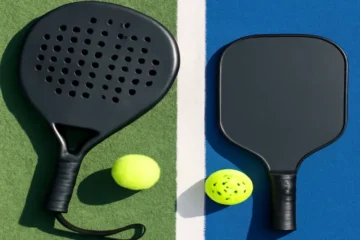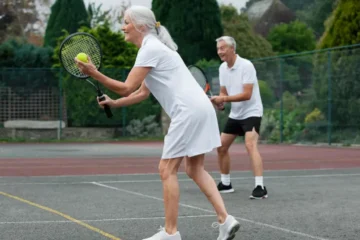
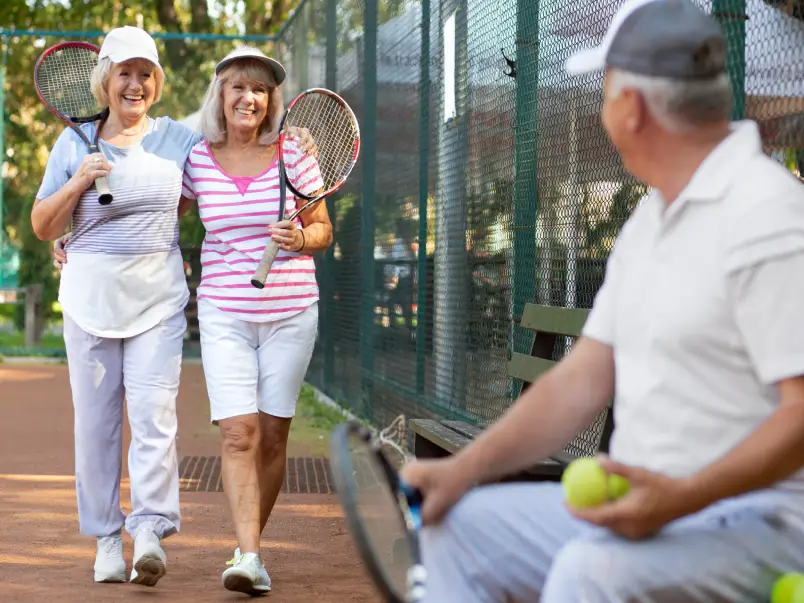
Imagine the sound of a padel ball popping off a racket, followed by the laughter of retirees as they enjoy a lively match under the warm sun of Marbella or the Costa Blanca. This isn’t your typical retirement community. Forget shuffleboard and bingo—Spain is revolutionizing retirement living with the rise of padel-focused retirement homes. In these specialized communities, padel courts are not just an amenity; they are the core hub around which social life revolves.
This new trend in Spanish retirement living speaks volumes about how the Baby Boomer generation is redefining the concept of retirement. No longer content with a life of relaxation and limited activity, this generation is prioritizing health, wellness, and a robust social life. As a result, retirement homes with padel courts at the center are becoming an increasingly popular lifestyle choice. This unique fusion of sport, real estate, and wellness has created a lucrative niche in Spain’s property market, and it’s changing the way people experience their later years.
The Sound of a New Retirement
The Trend
Picture this: a beautifully landscaped retirement community in Spain’s sunny coastal regions, with retirees engaging in friendly yet competitive padel matches, forming bonds over shared experiences, and socializing after a game at the clubhouse. These communities aren’t just about giving seniors a place to live—they’re about giving them a place to thrive. Here, padel isn’t merely a sport—it’s the heartbeat of an active and fulfilling lifestyle.
Thesis Statement
The growing popularity of padel-centric retirement homes in Spain reflects a broader shift in how the Baby Boomer generation views retirement. Instead of retreating from active life, many retirees are embracing it. These innovative communities provide a space for exercise, social interaction, and mental stimulation, blending sport, community, and lifestyle in a way that redefines aging.
The Perfect Match: Why Padel is the Ideal Sport for Retirees
Accessibility Over Intensity
Padel has exploded in popularity over the last decade, especially in Spain, and it’s easy to see why. It’s a low-impact sport that’s easier on the joints than tennis, making it perfect for seniors who want to stay active without putting too much strain on their bodies.
Unlike tennis, which requires running long distances across a full-sized court, padel is played on a smaller court with walls that the ball can bounce off, making it easier to track and play. This design reduces the physical demands, especially for those with reduced mobility or endurance. The smaller court size and slower pace also make it an accessible option for older players, who can enjoy the sport without risking injury.
A Social Catalyst
One of the greatest benefits of padel is its inherently social nature. It is typically played in doubles, which fosters communication, teamwork, and camaraderie. Retirees are often looking for ways to stay socially connected, and padel provides a perfect outlet. The relaxed atmosphere of a friendly game promotes interaction, helping to combat the isolation that can sometimes come with aging.
Because of the social aspect of the game, many padel retirement communities organize tournaments and social leagues, which allow residents to meet new people and form lasting friendships. It’s not just about physical exercise; it’s about creating a strong sense of community.
Cognitive Benefits
Padel isn’t just great for the body—it’s also beneficial for the brain. The sport requires quick reflexes, strategic thinking, and the ability to anticipate the ball’s bounce off the walls. These mental challenges can help keep the brain sharp and improve cognitive function. For seniors, staying mentally engaged is just as important as staying physically fit, and padel provides both.
More Than a Court: The Anatomy of a Padel Retirement Community
The Core Amenity: State-of-the-Art Padel Facilities
At the heart of these padel retirement communities are state-of-the-art facilities. Multiple floodlit courts are often a standard feature, ensuring that residents can play at any time of day. These communities also typically offer professional coaching, organized tournaments, and social leagues, which make the sport accessible to all levels of players, from beginners to seasoned veterans.
The courts themselves are often surrounded by beautiful landscaping and are equipped with all the amenities needed to enjoy a game in comfort. Whether it’s during the day or in the evening, these facilities encourage participation, competition, and fun.
The Supporting Ecosystem
While the courts are the star attraction, a good padel retirement community is about much more than just the game. These communities provide an entire wellness ecosystem that promotes health and well-being.
- Wellness Focus: On-site physiotherapy, fitness centers designed for padel-specific training, and swimming pools help residents stay active and recover after a match. These amenities ensure that retirees can continue playing and enjoying their favorite sport while taking care of their bodies.
- Social Hubs: After a game, residents can gather at the clubhouse, cafes, and restaurants to socialize and relax. These spaces create an atmosphere of belonging and friendship, allowing retirees to bond with neighbors and make the most of their retirement.
- Location: Most of these communities are located in Spain’s sunny coastal areas, like the Costa Blanca or Marbella, making them an attractive choice for both domestic and international retirees looking to enjoy a warm climate year-round.
The Drivers Behind the Trend
The “Younger” Retiree
Today’s retirees (aged 60–75) are wealthier, healthier, and more active than previous generations. Many of them have lived through periods of significant change in both the economy and lifestyle, and now, they’re looking to enjoy their retirement in a way that emphasizes health, fitness, and community. Padel retirement homes cater to this more active demographic, offering them a place to enjoy sport, socialize, and live life to the fullest.
The Padel Boom in Spain
Padel is a massive phenomenon in Spain, and its rise in popularity has been nothing short of spectacular. Over the past decade, padel has become the second-most played sport in Spain, with millions of people across all age groups taking part. This surge in popularity has made padel the perfect fit for retirement communities, as it aligns with the interests and preferences of today’s retirees.
A Solution for Loneliness
As people age, they often face the challenge of social isolation. For many retirees, especially expats, being far from home can lead to feelings of loneliness. Padel communities provide a built-in social network, allowing retirees to engage with like-minded individuals, form new friendships, and combat the isolation that often accompanies aging.
A Lucrative Niche Market
The combination of luxury living, active retirement, and social connectivity has proven to be a highly lucrative niche. Real estate developers and senior living companies have recognized the demand for these types of communities and are eager to tap into this growing market. Padel-focused retirement homes not only offer a high quality of life but are also a smart investment for those looking for premium real estate opportunities.
A Day in the Life: The Padel Retiree
Narrative Snapshot
Let’s take a look at a day in the life of a fictional couple, John and Susan, who are British expats living in a padel retirement community on the Costa Blanca.
Sample Schedule
- Morning: John and Susan start their day with a friendly game of padel against a couple they’ve grown close to. The match is lighthearted but competitive, offering them both physical exercise and an opportunity to bond.
- Mid-day: After the match, they head to the community clubhouse for a coffee and tapas with their new friends. The clubhouse is buzzing with activity, with other retirees discussing their games and planning the next social event.
- Afternoon: John has a session with the on-site physiotherapist, focusing on stretches and exercises to prevent injury. Susan enjoys a swim in the community pool to relax and unwind after the match.
- Evening: As the sun sets, the couple signs up for the upcoming “Padel & Paella” tournament. It’s a community event they’ve enjoyed before, combining sport with Spain’s famous cuisine.
Challenges and Considerations
The Premium Price Tag
While padel retirement homes offer a luxurious lifestyle, they come with a premium price tag. These homes are designed for affluent retirees, which may make them inaccessible for lower-income seniors. However, the value provided through active living and community support may justify the cost for many.
Physical Limitations
As retirees age, some may experience declining mobility or physical limitations. While padel is a low-impact sport, it’s important to consider how communities can adapt to these changes. Offering more accessible sports, on-site health services, and alternative forms of engagement will be crucial as the population ages.
Market Saturation
While padel retirement homes are gaining popularity, it remains to be seen whether this trend will continue long-term or if it’s a passing fad aimed at a specific demographic. The future of the industry will depend on how well these communities evolve and meet the needs of future retirees.
The Future of Active Aging
Beyond Spain
The success of padel retirement homes in Spain presents an opportunity for expansion into other countries with growing interest in padel. Countries like Sweden, the UK, UAE, and even the USA could all potentially embrace this model, creating vibrant, active communities for retirees.
The Evolution of Senior Living
Padel retirement communities are just the beginning. As more people prioritize an active lifestyle in retirement, niche communities based on other activities—such as golf, cycling, or art—may emerge. These models will redefine how people age, providing them with purpose, physical activity, and social engagement.
Final Thought
Padel retirement homes aren’t just about sport—they’re about building a vibrant, connected, and purposeful life in later years. By combining health, wellness, and community, these homes are setting the standard for what retirement can be.
Conclusion: A Winning Formula
The fusion of padel, community, and luxury living has created a successful and sustainable model for retirement living in Spain. For today’s retirees, this is more than just a place to live—it’s a place to thrive. Whether it’s the joy of the game, the friendships made, or the beautiful surroundings, padel retirement homes are proving to be a winning formula for a fulfilling life after work.
This new trend is set to shape the future of retirement living, not only in Spain but around the world. As retirees continue to prioritize active lifestyles, the rise of padel-focused communities is just the beginning of a broader revolution in aging.
FAQs
What are padel retirement homes?
Padel retirement homes are specialized communities in Spain that focus on an active lifestyle for retirees. These communities place padel courts at the center of social life, providing opportunities for fitness, social interaction, and a strong sense of community among residents.
Why is padel the ideal sport for retirees?
Padel is easier on the body than tennis due to its smaller court size and lower impact. It promotes physical fitness, cognitive agility, and social interaction, making it perfect for retirees looking to stay active and engaged in a fun, low-risk sport.
What amenities do padel retirement homes offer?
These homes typically offer state-of-the-art padel courts, wellness facilities such as physiotherapy and fitness centers, social hubs like clubhouses and cafes, and often reside in sunny coastal locations, making them ideal for active retirees.
Are padel retirement communities affordable?
Padel retirement homes are generally considered luxury living spaces, often catering to a wealthier demographic. They can come with a premium price tag, but many see the value in the active lifestyle and community they provide.
Where are padel retirement homes located?
While padel retirement homes are most commonly found in Spain’s sunny coastal regions, the concept is beginning to catch on in other countries with growing interest in padel, such as Sweden, the UK, and the UAE.