
Padel is rapidly becoming one of the most popular racquet sports in the world, and for good reason. It is fun, social, and suitable for people of all ages, including seniors. While many may think of padel as a high-energy sport, it actually offers a unique blend of cardiovascular benefits, social interaction, and low-impact movements that make it especially ideal for older adults.
The Growing Popularity of Padel Among Seniors
Over the past few years, the popularity of padel has surged, particularly among those aged 50 and over. With more than 18 million players worldwide, padel’s appeal continues to grow, and it has garnered attention for being a low-impact alternative to tennis and other racquet sports. For seniors, this sport offers a way to stay active, make new friends, and improve overall fitness—without putting undue stress on the joints.
Thesis Statement: Padel’s Appeal for Seniors
Padel is uniquely suited for seniors. The sport offers fantastic social benefits and physical rewards, with a lower impact on the joints compared to other racquet sports. With the right techniques, equipment, and preparation, padel can be a sustainable and enjoyable activity that promotes long-term health and well-being.
Brief Overview of the Article
This article will explore why padel is the perfect sport for seniors, focusing on its accessibility, the low-impact benefits, and how you can get started safely. We will discuss key strategies to maximize fun while minimizing strain, including equipment recommendations, low-impact techniques, and essential pre- and post-game routines.
Why Padel is the Perfect Senior Sport
Naturally Lower Impact
One of the biggest concerns for seniors considering any physical activity is the risk of injury or strain. Padel, however, is a low-impact sport that offers several advantages in this area:
Smaller Court = Less Running
Padel is played on a smaller court than tennis, which means less running and fewer high-intensity movements. The dimensions of the padel court are 20 meters by 10 meters, roughly half the size of a tennis court. This smaller space makes it easier to maintain control and reduces the overall physical demand on players.
Gentle Serving Motion
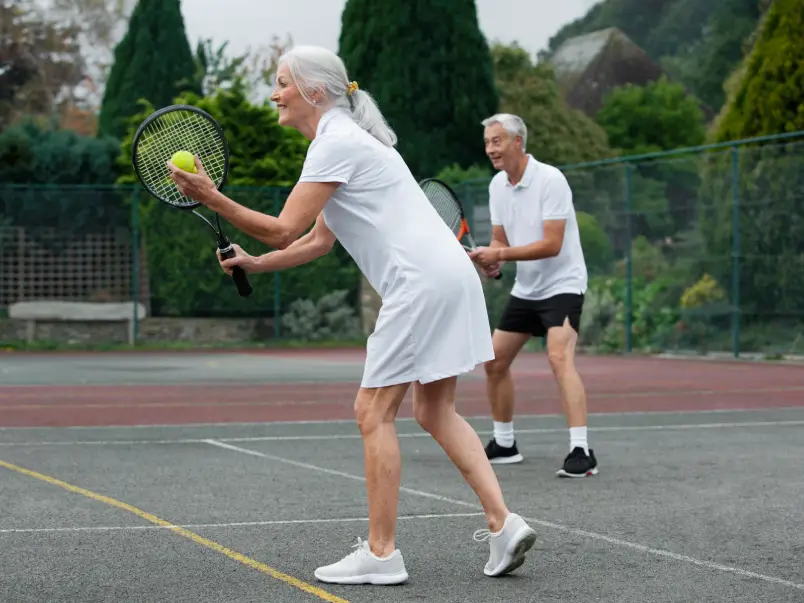
Padel features an underhand serve that is much gentler on the shoulders compared to the overhand serve in tennis. This reduces the risk of shoulder strain and is especially helpful for seniors who may experience joint discomfort.
The Use of Walls
Another feature that makes padel more accessible to seniors is the use of walls (both glass and mesh) to keep the ball in play. The walls allow the ball to bounce back into the court more easily, providing players with more time to react and reducing the need for explosive movements.
A Powerful Social Engine
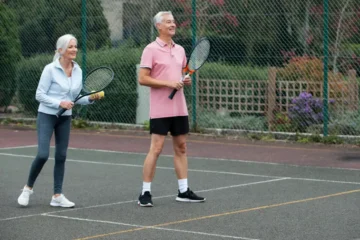
Padel is primarily played in doubles, which creates a fantastic social environment. This format encourages communication, teamwork, and camaraderie. For seniors, this is one of the most appealing aspects of the sport.
Combatting Loneliness
As people age, they may face challenges like social isolation, especially if they are living alone or retired. Padel provides a fun and supportive social setting where seniors can connect with others, fostering meaningful relationships and even making new friends. The sport’s relaxed pace and emphasis on fun rather than intense competition create an inviting environment for everyone.
Enjoyable Interaction
The game’s strategic nature—combined with the opportunity to engage in lighthearted conversation between points—ensures that seniors can enjoy a social experience while staying active. Padel encourages laughter, which has its own set of health benefits, including stress reduction and improved mood.
Fantastic Physical Benefits
While padel is low-impact, it still provides an excellent workout for the body. The game involves cardiovascular exercise, coordination, and balance—all of which are crucial for seniors.
Cardiovascular Health
Padel offers a great aerobic workout that gets the heart pumping without overstraining it. By engaging in light-to-moderate exercise, seniors can improve their cardiovascular health, which helps to lower blood pressure, reduce the risk of heart disease, and enhance endurance.
Improved Coordination and Balance
The quick directional changes required in padel—along with the need to track the ball and position oneself correctly—improve coordination and balance. This can be particularly helpful for seniors who want to maintain or improve their mobility, preventing falls and enhancing overall stability.
Bone and Muscle Strength
Low-impact sports like padel help seniors maintain bone density and muscle mass, which is essential for healthy aging. The movements in padel promote muscle strengthening, especially in the legs, core, and upper body, which helps improve posture and mobility.
Gearing Up for Success: Smart Equipment Choices
The right equipment is key to ensuring a safe, enjoyable, and low-impact experience in padel. Choosing the correct gear can prevent injury and enhance your comfort on the court.
The Right Padel Racket
Weight and Balance
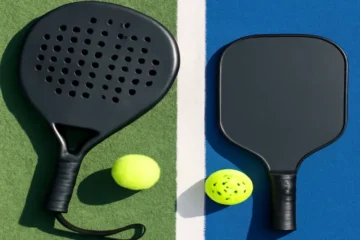
When selecting a padel racket, opt for one that is lightweight (350-365 grams). Lighter rackets place less strain on the wrist, elbow, and shoulder, reducing the risk of injury. A racket with a round shape and a low balance (head-light) is ideal for seniors, as it offers better control and minimizes the need for excessive power in shots.
Material
Padel rackets come with different cores. Foam-core and soft EVA core rackets are great options for seniors. These materials offer better control and less vibration compared to harder cores, making the game more comfortable and reducing the strain on your arms and joints.
Grip Size
The correct grip size is crucial for comfort and injury prevention. If the grip is too small, you may overgrip, which can lead to conditions like tennis elbow. On the other hand, if the grip is too large, it can be uncomfortable to hold. Consider using an overgrip for a better fit and added comfort.
Supportive Footwear
Wearing the right footwear is essential for preventing injuries, especially on the lateral (side-to-side) movements common in padel. Look for padel-specific shoes or quality tennis shoes that provide excellent lateral support and cushioning. This will help prevent ankle sprains and improve your overall comfort during play.
Don’t Forget the Extras
Padel Balls
Padel balls are softer than tennis balls, which reduces their speed and the force required to hit them. This makes the game less strenuous on the body, and the slower pace gives players more time to react.
Compression Sleeves
For seniors with minor joint concerns, such as knee or elbow pain, compression sleeves can offer added support and relief. These are particularly helpful during and after the game to minimize strain on vulnerable areas.
Low-Impact Techniques and On-Court Strategy
The key to enjoying padel as a senior is learning to play smarter, not harder. Here are a few tips to minimize physical strain while still having fun.
Master the “Soft Game”
Padel is not about power; it’s about control. Seniors can benefit from focusing on precision and placement rather than trying to hit powerful shots.
Focus on Control Over Power
Instead of trying to hit winners, seniors should emphasize ball placement. Aim for the corners of the court or the gaps between opponents to force errors. This strategy reduces the need for explosive movements and allows for a more controlled, relaxed style of play.
The “Bandeja” and “Vibora”
These controlled, spin-heavy shots are perfect for seniors. The “Bandeja” (a defensive shot) and “Vibora” (an attacking shot) are both less demanding on the body than the aggressive “Smash.” Mastering these shots will allow seniors to play a smart game without overexerting themselves.
Perfect Drops and Lobs
The combination of a soft drop shot and a high defensive lob is key in senior padel strategy. These shots require less energy than attempting hard smashes, and they can be used to outsmart your opponents, using intelligence and positioning over physicality.
Movement and Positioning Wisdom
Economy of Movement
Senior players should focus on using small, efficient steps to move around the court. Avoid large, lunging strides, which can put unnecessary strain on the joints. Stay light on your feet, and always be mindful of conserving energy.
Play as a Team
Since padel is a doubles game, trust and communication with your partner are essential. Discuss who will take each ball, and be sure to avoid unnecessary movements by staying in position and keeping your balance.
Smart Recovery
After hitting a wide shot, don’t sprint back to the center of the court. Instead, recover at a walking pace. This will prevent exhaustion and reduce the chance of injury.
Listen to Your Body
Padel may be a low-impact sport, but it’s still important to listen to your body. If you feel discomfort or fatigue, take a break. There’s no need to chase every ball—sometimes, letting the ball go is the smartest move.
Essential Pre and Post-Game Routines
To maximize the benefits of padel and minimize the risk of injury, it’s essential to warm up before the game and cool down afterward.
The Senior-Specific Warm-Up (10-15 minutes)
A proper warm-up prepares the body for activity and reduces the risk of injury. Seniors should aim to perform the following before hitting the court:
Dynamic Stretching
Start with dynamic stretches such as leg swings, arm circles, and torso twists to increase flexibility and blood flow to the muscles.
Light Cardio
A brisk walk or light jog around the court for 5 minutes will get the heart rate up and the muscles ready for movement.
Joint Mobilization
Incorporate gentle movements to mobilize the joints, such as ankle rolls, wrist circles, and shoulder rolls.
On-Court Warm-Up
Start with soft volleys at the net, gradually moving back to increase intensity. This helps the body adjust to the movements required for padel.
The Non-Negotiable Cool-Down
After playing, it’s crucial to cool down to reduce muscle stiffness and improve recovery.
Static Stretching
Hold stretches for 20-30 seconds, focusing on areas that are commonly used in padel, such as the shoulders, calves, hamstrings, quadriceps, and forearms.
Hydration
Drink water or an electrolyte-rich drink immediately after the game to replenish fluids lost during play.
Listening to Your Body: Injury Prevention and Management
Even though padel is a low-impact sport, seniors should still be mindful of potential injuries.
Common Areas of Concern
The most common injuries in padel involve the shoulders, elbows, and knees. Tennis elbow, golfer’s elbow, and knee strains are common concerns for seniors.
Proactive Measures
Cross-Training
Incorporating other forms of exercise, such as strength training (focusing on the core and legs), swimming, or cycling, can help build the supporting muscles needed for padel.
Rest Days
Adequate recovery time between padel sessions is essential to prevent overuse injuries and allow muscles to recover.
When to Stop
If you experience persistent pain (rather than general muscle fatigue), it’s important to stop and seek medical advice. Knowing the difference between normal muscle soreness and injury can prevent further damage.
Conclusion: Your Next Chapter on the Padel Court
Padel is an ideal sport for seniors, offering a combination of physical and social benefits that make it a great choice for maintaining an active lifestyle. By focusing on smart techniques, using the right equipment, and following a proper warm-up and cool-down routine, seniors can enjoy all that padel has to offer without risking injury.
Whether you’re a seasoned athlete or a complete beginner, padel welcomes players of all levels. Find a local club, take a lesson, and discover how much fun and vitality padel can bring to your life. With its low-impact nature, social camaraderie, and health benefits, padel might just be the perfect sport for your golden years.
FAQs
Is padel a good sport for seniors?
Yes, padel is an excellent sport for seniors because it offers low-impact exercise that helps improve cardiovascular health, coordination, and balance without putting too much strain on the joints. The smaller court and gentle underhand serve make it an ideal choice for older adults.
What are the physical benefits of padel for seniors?
Padel helps improve cardiovascular fitness, muscle strength, balance, and bone density. It’s a great way for seniors to maintain mobility, prevent falls, and stay active while enjoying a fun and social activity.
Do I need special equipment for playing padel as a senior?
For seniors, the right equipment can make a big difference. Opt for a lightweight racket (350-365 grams) with a low balance and a soft core for easier control and less vibration. Comfortable, supportive footwear and compression sleeves for joints can also enhance your experience.
How do I play padel with less strain on my body?
Focus on playing a controlled game rather than relying on power shots. Master techniques like the “Bandeja” and “Vibora,” which are gentler on the body. Movement should be economical, using small steps, and always listen to your body to avoid overexertion.
Is padel a social activity for seniors?
Absolutely! Padel is often played in doubles, fostering communication and teamwork. It provides a great opportunity for seniors to socialize, build friendships, and enjoy a supportive community while staying active.
How can I prevent injuries while playing padel as a senior?
To avoid injuries, warm up before playing with dynamic stretches and cool down afterward with static stretches. Use the right equipment, such as a proper racket and supportive shoes. Take rest days between sessions and listen to your body to avoid overuse injuries.