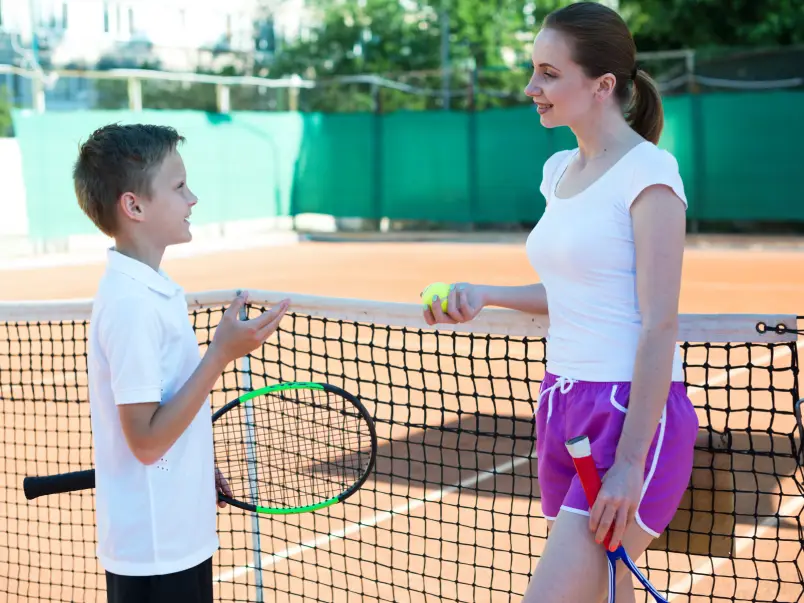
Why Padel is the Perfect Sport for Kids
If you’re looking for a sport that’s exciting, accessible, and fun for kids, look no further than padel. With its dynamic gameplay, interactive walls, and doubles format, padel offers a unique blend of energy and excitement that is perfect for young players. Whether it’s the joy of hitting the ball off the side walls or the thrill of teamwork, padel has everything to capture a child’s interest while promoting physical and mental development.
Key Benefits of Padel for Kids
- Social & Teamwork: Padel is a doubles-focused sport, meaning kids naturally learn the value of teamwork, communication, and supporting their partners. These skills extend beyond the court, fostering friendships and cooperative learning.
- Accessible: Unlike other racquet sports, padel is easy to start. The smaller court size, the use of walls to keep the ball in play, and the underhand serving style make it beginner-friendly. This accessibility allows children to enjoy rallies and gain confidence quickly.
- Physical Development: Padel offers a full-body workout that enhances coordination, agility, balance, reflexes, and overall fitness. It strengthens leg muscles, improves cardiovascular endurance, and builds hand-eye coordination—all while playing a fun, active game.
- Mental Game: Padel teaches kids important life skills, including strategy, patience, and sportsmanship. It encourages thinking on their feet, adjusting strategies, and remaining calm under pressure.
The Golden Rule: Fun First
Above all, it’s important to remember that fun comes first. Skill development is a natural byproduct of enjoyment. When children have fun while playing, they are more likely to stick with the sport and continue improving over time.
Before You Start: Gearing Up for Success
Before stepping onto the padel court, having the right equipment and setting clear expectations is essential to creating a successful and enjoyable learning experience for kids.
The Right Equipment
- Rackets: Choosing the right racket is crucial for kids. Padel rackets designed for children are lighter, with smaller grips and less weight, making them easier to handle. Look for rackets that provide a good balance of power and control, tailored to your child’s age and size.
- Balls: Padel balls for kids differ from those used in adult play. Low-compression balls, or “soft” padel balls, are perfect for beginners. These balls bounce lower and move slower, giving young players more time to react and learn the mechanics of the game.
- Safety & Comfort: Proper footwear is a must for comfort and injury prevention. Choose shoes with good grip and support for lateral movement. Don’t forget to encourage hydration, especially in warmer conditions, to ensure kids stay energized throughout the session.
Setting Expectations
When introducing kids to padel, keep the sessions short, energetic, and fun. Aim for 45-60 minutes per session to prevent fatigue and maintain excitement. Make sure to celebrate small successes and keep the focus on enjoying the game, rather than strict technical skill at this early stage.
The Foundation: First Steps on the Court
Getting kids comfortable with the ball and basic racket control is the first step toward padel success. Start with simple, fun drills to build confidence and introduce key skills.
Drill 1: The “Bounce & Catch” Warm-Up
Goal: Get kids comfortable with the ball and its bounce off the walls.
How:
Begin by having kids drop the ball and let it bounce off the side or back wall before catching it. This simple exercise helps kids get a feel for the ball’s bounce and the unique nature of the padel court, which uses walls to keep the ball in play. Once they’re comfortable, progress by encouraging them to gently tap the ball against the wall with their racket before catching it. This develops both their hand-eye coordination and their understanding of how the ball behaves on a padel court.
Drill 2: “Red Light, Green Light” Racket Control
Goal: Develop basic ball control and listening skills.
How:
In this fun drill, kids dribble the ball on their racket face while walking around the court. You can call out the following instructions:
- “Green Light!” (Walk forward)
- “Red Light!” (Stop and control the ball)
- “Yellow Light!” (Slow motion walking)
This drill helps improve racket control and ball-handling skills while engaging kids in a fun and interactive game. It also develops their ability to listen and follow instructions quickly—an important skill for any athlete.
Fun Drills for Core Skills
Now that kids have become familiar with the ball and basic racket control, it’s time to focus on core padel skills: the forehand and backhand, volleys, and serves. These drills are designed to be fun while building the fundamental techniques needed to play padel.
A. The Forehand & Backhand
Drill 3: “Target Practice”
Goal: Learn the basic groundstroke technique and aim.
How:
Place several hula hoops or markers in different areas of the court, representing target zones. Kids earn points by hitting the ball into the targets after one bounce. This drill teaches kids how to aim their shots, work on their forehand and backhand techniques, and build consistency. It’s a great way to introduce the basic mechanics of groundstrokes while making it feel like a fun challenge.
B. The Volley
Drill 4: “The Volcano”
Goal: Introduce the volley in a fun, non-technical way.
How:
To teach kids how to volley, the coach or parent stands at the net and acts as the “Volcano,” feeding balls to the kids at the baseline. The goal is for the kids to intercept and return the balls before the volcano “erupts” (the coach counts to 10). The kids try to “extinguish the lava” (hit the ball back) before the countdown is over.
This drill is excellent for developing quick reflexes and understanding the concept of intercepting balls close to the net. The non-technical nature of this exercise makes it easy for kids to enjoy and participate without feeling overwhelmed by complicated instructions.
C. The Serve
Drill 5: “Serve & Sit”
Goal: Practice the underhand serve with a fun team element.
How:
Kids line up to serve, and after each successful serve (when the ball lands in the correct service box), they run to the other side and sit down behind the baseline. The first team to have all players seated wins the game. This drill encourages kids to practice their serves in a lighthearted, competitive environment and builds teamwork as they work together to achieve the goal.
Let’s Play Games! Applying Skills in a Game Setting
Once kids are comfortable with the basic skills, it’s time to apply them in game settings. These games provide a great opportunity for kids to put their new skills into action while having fun with their friends and teammates.
Game 1: “The Cage Rally”
Goal: Experience the unique joy of using the walls in a low-pressure rally.
How:
Pair up two kids and two adults (or coaches) for this game. The only rule is that the ball must bounce once before being hit. Let the kids discover how to use the walls to keep the ball in play. Encourage them to experiment with different ways of using the walls to prolong the rally. This game allows kids to enjoy the full padel experience, especially the unique aspect of using the walls, which is one of the sport’s most exciting features.
Game 2: “King of the Court” / “Spanish Rotation”
Goal: Fast-paced play, handling different opponents.
How:
In this game, two kids start as the “Kings” on one side. A challenging pair from the other side plays one point against them. If the challengers win, they become the new Kings. The losing team rotates off. This game introduces kids to playing against different opponents in a fun, competitive format. It also adds an element of excitement as they try to hold their position as Kings of the court.
Tips for Coaches and Parents: Being the Best Supporter
To help kids thrive in padel, coaches and parents can be the biggest supporters of their journey. Here are some tips to ensure they stay engaged and excited about learning the game.
- Praise Effort, Not Just Results: Celebrate effort over outcomes. Compliment kids on their hustle, focus, and determination. For example, say “Great hustle!” or “I loved how you kept your eye on the ball!” This will help them feel good about their progress, no matter their skill level.
- Use Their Language: Kids respond well to language they can relate to. Instead of saying “bend your knees,” try saying, “get low like a superhero!” This makes instructions more engaging and easier to understand.
- Keep it Moving: Avoid long lines and waiting times. Organize multiple stations or use quick, rotating drills to keep kids engaged and active throughout the session. Movement and activity are key to maintaining their excitement.
- Always End on a High: Finish the session with a fun game or a small celebration to reward their effort. This creates a positive association with padel, leaving them eager to return.
Conclusion: Watch Them Grow
Introducing kids to padel through fun drills and games is the first step toward building a lifelong love of the sport. The key is to keep it lighthearted and enjoyable, focusing on fostering skills through game-based learning rather than strict technical instruction.
Next Steps
Once kids are comfortable with the basics, consider enrolling them in a junior padel club or program where they can meet other kids and continue improving. Socialization and the opportunity to play with others will keep their interest high and help them develop both their skills and sportsmanship.
Final Motivational Push
Before you know it, your child will be teaching you a trick or two off the wall! Keep encouraging them, keep it fun, and let the game inspire them to be the best version of themselves, both on and off the court.
This article is designed to help parents and coaches introduce kids to padel in an enjoyable and effective way. By focusing on fun, game-based learning, and developing essential skills, children will not only fall in love with the sport but also improve their coordination, fitness, and teamwork.
FAQs
What are the best drills to teach kids padel?
Some of the best drills to teach kids padel include “Bounce & Catch” for ball control, “Red Light, Green Light” for racket control, and “Target Practice” for practicing forehands and backhands. These drills are engaging and help develop essential skills like coordination and ball handling in a fun way.
What equipment is needed for kids to start playing padel?
For kids to start playing padel, you’ll need kid-sized, lighter padel rackets with smaller grips, low-compression or soft padel balls, and comfortable athletic shoes with good grip. These items ensure a safe and fun introduction to the sport.
How long should padel sessions be for kids?
Padel sessions for kids should last between 45 to 60 minutes. This duration keeps kids engaged without tiring them out and ensures they can maintain their focus and energy throughout the session.
What are the benefits of playing padel for kids?
Padel offers numerous benefits for kids, including improving coordination, agility, reflexes, and overall fitness. It also teaches important life skills like teamwork, patience, strategy, and sportsmanship.
How can I make padel more fun for kids?
Make padel fun by using game-based learning, introducing creative drills, and ensuring plenty of positive reinforcement. Games like “King of the Court” and “The Cage Rally” keep kids excited while practicing their skills in a low-pressure environment.