
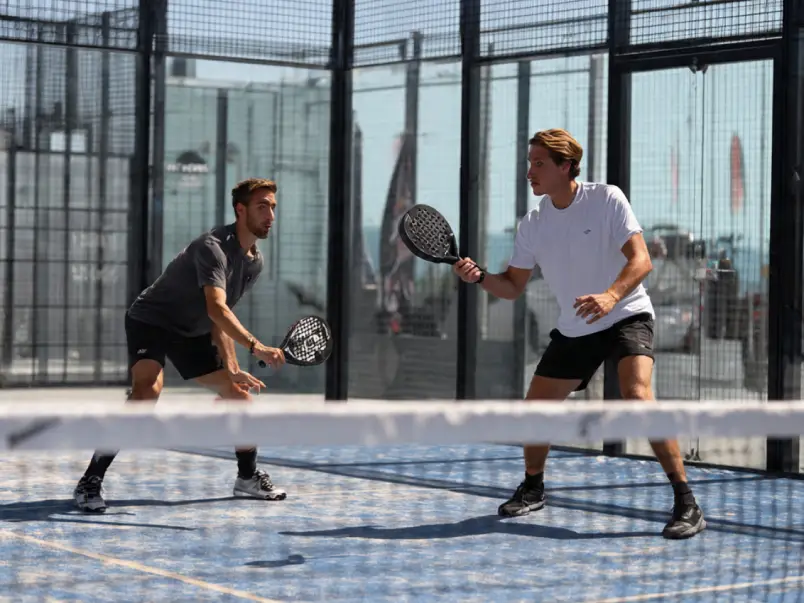
Padel is one of the most dynamic and exciting sports, often compared to tennis but with a unique twist. It’s fast-paced, requires strategy, and fosters a strong sense of camaraderie. However, when you find yourself paired with a partner who is less experienced or doesn’t play at your level, it can sometimes feel like a challenge. The frustration can be palpable when you feel like you’re carrying the team, losing points you think you should win, or scrambling to cover for a partner’s mistakes.
It’s Not a Handicap, It’s an Opportunity
Turn a challenging situation into a fun and rewarding experience for everyone on the court. But here’s the truth: playing with a less skilled partner is not a burden; it’s an opportunity. It’s an opportunity for personal growth, a chance to develop your leadership skills, and a way to become a more versatile, patient, and strategic player.
When you reframe the situation and view it as a learning experience rather than a test of skill, it transforms the way you approach each game. The ultimate goal here is not just to win, but to enjoy the game, learn together, and improve as a team.
In this guide, we’ll discuss how you can elevate your game, adapt to your partner’s skill level, and have fun while doing it.
The Mental Game – Your Attitude is Everything
Embrace the Role of a Leader/Captain
The first step in playing with a weaker partner is embracing your role as the leader. This is not about taking the spotlight for yourself, but about guiding and mentoring your partner. As the stronger player, your job is to ensure that the game remains positive and that your partner feels supported rather than criticized. This leadership mentality will help your team thrive.
Instead of focusing on the points your partner loses or the mistakes they make, use these moments as teaching opportunities. Always remember that padel is a team sport, and the stronger player has the responsibility of keeping the energy high and guiding their teammate toward success.
Patience is Your Greatest Weapon
When playing with someone who may not have as much experience or skill, patience becomes your greatest asset. Mistakes will happen — your partner may miss easy shots, or perhaps they won’t be in the right position at times. But how you respond to these errors is what really defines the match’s atmosphere.
Don’t get frustrated or upset. Instead, practice patience. Every mistake is an opportunity for learning and improvement. Your calm reaction will help your partner stay motivated and continue playing with confidence.
Positive Reinforcement Over Criticism
Positive reinforcement is much more effective than criticism. Rather than pointing out mistakes or showing frustration, focus on acknowledging your partner’s effort. For instance, instead of saying “Why did you do that?”, try saying “Great try!” or “Well done, let’s get the next one!” This will help foster a supportive environment and boost your partner’s confidence.
The power of positivity cannot be overstated. In a sport like padel, where mental toughness is key, providing encouragement will help keep morale high and allow your partner to focus on improving.
Manage Your Own Expectations
Let go of the idea of a “perfect” game. You are both learning and growing, and as a team, your focus should be on enjoying the match rather than obsessing over winning every point. Managing your expectations and acknowledging that mistakes are part of the learning process will help you stay focused on the bigger picture: having fun and improving.
On-Court Communication: The Art of Gentle Guidance
Pre-Match Chat
Communication is essential, especially when one partner is less experienced. Before the match, have a quick chat to align on expectations and positioning. Discuss things like staying side-by-side at the net, calling the ball (“Mine!” or “Yours!”), and letting your partner know that you’re there to guide them.
Set a few simple goals for the game, like ensuring that your partner is focusing on their serve or making sure they get their returns deep. Establishing clear, calm communication before stepping onto the court sets the tone for a successful game.
During the Game: Encourage and Guide
While the match is underway, remember to be encouraging. Offer simple feedback like “No problem, we’ll get it next time” or “Good effort!” This keeps the mood light and positive.
Provide constructive, actionable tips that your partner can easily follow. For example, “Let’s try to play more to their backhand” or “A little more lob when we’re in trouble.” Keep it simple — over-coaching or too many instructions can overwhelm your partner, especially if they are still learning.
Between Points/Games: Quick, Positive Huddles
After each point or game, take a quick break to regroup with your partner. This doesn’t have to be a deep analysis session — just a quick “What’s working? What can we try next?” A positive huddle between points can help you both reset and stay in a productive mindset throughout the game.
Strategic Adjustments – Playing Smarter, Not Harder
Positioning is Key: The “I” Formation
One of the most effective ways to make the game easier for a less experienced partner is to simplify the positioning. Use the “I” formation on the court, where you take the middle position and cover the center of the court, while your partner stays on the sides. This makes it easier for your partner to focus on a smaller area of the court and reduces the chances of them getting overwhelmed.
Net Play: Simplify with Net Positioning
Encourage your partner to stay at the net. Net play is often simpler for beginners because it reduces the amount of court they have to cover and allows them to intercept volleys or quick shots with ease. Positioning at the net can also increase their chances of making successful shots, giving them confidence and helping them feel more involved in the game.
Shot Selection for You (The Stronger Player): Your Primary Weapon – The Lob
As the stronger player, you will need to adapt your shot selection to help your partner. One of the most effective strategies is using the lob shot. The lob is your primary weapon to reset the point, buy time for your team to reposition, and put pressure on your opponents. It’s a reliable and low-risk way to maintain control of the rally.
Control the Tempo: Slow the Game Down
Avoid getting caught in frantic, fast-paced rallies. Instead, slow the game down and control the tempo. By doing so, you allow your partner to settle into the game and focus on the fundamentals. Play consistent shots, and encourage your partner to focus on making sure their returns are solid, even if they’re not going for winners.
Aim for Consistency, Not Winners
Sometimes the best way to win a point is to simply keep the ball in play. By focusing on consistency and returning the ball deep, you force your opponents to make mistakes. Focus on wearing your opponents down, making sure they’re always scrambling for position. This allows your partner to contribute without feeling the pressure of making a perfect shot.
Play Through the Middle: Simplify the Game
Whenever possible, aim for the middle of the court. By doing so, you reduce the angles your opponents can play and simplify the game. This will help your partner focus on returning the ball from a position of less complexity, rather than being pulled to the side.
Empowering Your Partner: Focus on One Task at a Time
Instead of overwhelming your partner with numerous responsibilities, focus on one simple task they can consistently work on. For example, ask them to focus on covering the side glass or making sure they get their serves in. The key is to give them a manageable responsibility they can repeat during the match.
Encourage your partner to focus on getting their serve in and returning it deep. By mastering these basic skills, they will feel like they are contributing and building confidence throughout the match.
Drills and Practice Tips for Off-Court Improvement
Lob and Smash Drill
If you play together regularly, suggest drills that will help both you and your partner improve. One such drill is the Lob and Smash drill. You can practice your smashes while your partner practices lobbing from the back of the court. This drill helps build consistency, and it allows your partner to gain confidence in their ability to handle lobs.
Wall Rally Drill
A wall rally drill is another great way to improve consistency and footwork. Both you and your partner can practice hitting against the wall, focusing on keeping the ball in play and hitting with controlled power. This drill improves accuracy and helps both of you feel more comfortable when the ball is in play during a match.
Focus on Their Strengths
Does your partner have a strong backhand? Build plays around it. By focusing on their strengths, you can make them feel more involved in the game, and this will improve their overall performance.
Conclusion: How to Play Padel with a Weak Partner
At the end of the day, the real victory in playing with a weaker partner is not just winning points, but improving as a team. It’s about learning patience, enhancing communication, and playing smarter, not harder. The more you can guide and empower your partner, the stronger the bond becomes between you, and that will make the victories that much sweeter.
Remember, padel is not just about the final score. It’s about fostering a love for the game, improving your skills, and growing the community. As you adapt and learn to lead, you’ll become a more complete and intelligent player.
By embracing the opportunity to lead and guide your less experienced partner, you are investing in your own growth as a player and a teammate. So, next time you find yourself in this situation, shift your mindset and embrace the journey of playing with your partner.
FAQs : How to Play Padel with a Weak Partner
How can I stay positive when playing with a weaker partner in padel?
Stay focused on the process rather than the result. Use positive reinforcement, keep the mood light, and be patient with mistakes. Encourage your partner with simple phrases like “Good try!” or “We’ll get the next one.”
What is the best strategy when playing with a beginner in padel?
Positioning is key. Use the “I” formation to cover the middle of the court, and encourage your partner to stay at the net. Simplify your shot selection with lobs and consistent plays. Focus on building their confidence with easy tasks, like making sure their serve is in.
How can I help my partner improve during the game?
Offer simple, actionable tips during the game like “Let’s focus on their backhand” or “Try lobbing when we’re in trouble.” Avoid over-coaching and ensure your partner feels encouraged rather than overwhelmed.
What are some drills to improve my partner’s skills off-court?
Some helpful drills include the Lob and Smash drill, where you practice smashes while your partner works on lobbing, and the Wall Rally drill to improve consistency. Focus on their strengths and help them build confidence in specific areas of the game.
How do I manage my expectations when playing with a weaker partner?
Let go of the desire for a perfect game. Accept that mistakes are part of learning. Focus on enjoying the game and improving together rather than solely aiming for victory. A positive mindset will help both you and your partner improve.
Can playing with a weaker partner make me a better padel player?
Absolutely! By taking on the role of a leader, being patient, and refining your communication and strategy, you’ll become a more intelligent and versatile player. Playing with a less experienced partner enhances your leadership skills, which ultimately makes you a better all-around player.