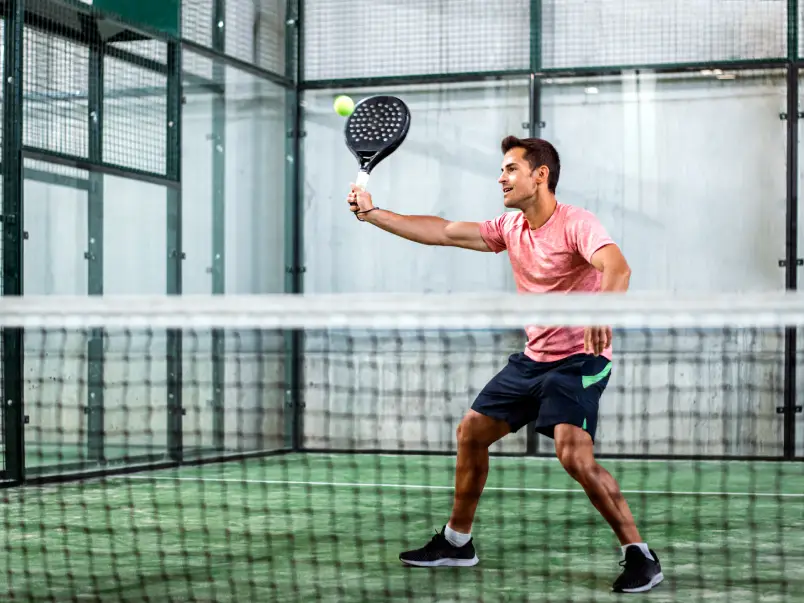
Imagine this: You’re excited to play padel, but the day doesn’t go as planned. Your usual partner is unavailable, or maybe you can’t find a court time that fits your schedule. What now? Do you skip practice, or do you make the most of the time you have? As a padel player, the second option should be your go-to.
Padel is often considered a social sport, typically played in doubles. However, the reality is that solo practice is an essential aspect of improving your skills. Whether you’re a beginner looking to nail your grip and stance or an advanced player focusing on precision and consistency, practicing alone can significantly accelerate your development. Solo training allows you to refine techniques, build muscle memory, and increase your fitness without relying on a partner.
This article will guide you through the most effective training aids that will help you get the most out of your solo padel practice. From wall drills to specialized training tools, we’ll show you how to turn any open space into your personal padel clinic. Whether you have 20 minutes or an hour, these tools will help you maximize your time on the court and enhance your skills.
Why Solo Practice is a Game-Changer
Master the Fundamentals
When it comes to padel, the foundation of your game is built on your technique. Practicing alone gives you the opportunity to focus solely on the fundamentals, including your grip, stance, and swing. The more you repeat these movements, the better your muscle memory becomes. Repetition is key in padel; the more you practice, the more automatic your movements will become.
Grips, swings, and footwork are the basic building blocks of your game, and when practiced on your own, you have the flexibility to work on them at your own pace, without worrying about the pressure of keeping up with a partner. Solo practice gives you full control over what you need to work on, from the placement of your feet to the angle of your racket.
Improve Consistency
In doubles play, it’s easy to hide behind your partner’s shots, but when you’re playing alone, you’re responsible for every point. One of the most significant benefits of solo practice is developing consistency. You can spend hours honing your shots—whether it’s volleys, forehands, or backhands—without interruption. Developing consistent strokes will make you a more reliable player, both in singles and doubles play.
Solo practice enables you to focus on achieving consistency in every shot, whether you’re playing against a wall or using training tools that simulate game-like conditions. The more you work on consistency, the more you’ll develop control over your game, reducing errors during matches.
Boost Fitness & Footwork
Padel is an incredibly fast-paced sport, and a lot of the action happens at the net. Quick reflexes, explosive movements, and precise footwork are essential for success on the court. When practicing solo, you can focus on building your fitness and improving your footwork without the need for a partner. There are various training aids and drills designed specifically to enhance your agility, speed, and endurance, making you a more well-rounded player.
Many training tools target specific aspects of fitness, such as reaction time, leg strength, and coordination. By incorporating these tools into your solo practice sessions, you can build the stamina and on-court movement required to succeed in padel.
Maximize Your Time
The great thing about solo padel practice is that you can train on your own schedule. Whether you have 20 minutes before dinner or an hour to spare in the afternoon, you can make the most of your time. Instead of waiting for a partner or booking a court, you can simply grab your racket and get started with your training aids.
By focusing on specific areas of your game—like groundstrokes, fitness, or footwork—you can maximize your practice time and see tangible improvements quickly. With the right tools, your solo sessions can be just as effective, if not more so, than practicing with a partner.
Essential Tools for Wall Training (The Padel Player’s Best Friend)
The Humble Wall
One of the easiest and most effective solo training tools you can use is the wall. A wall is always available and provides immediate feedback with every shot you hit. Whether you’re working on your forehand, backhand, or volley, the wall allows you to practice repeatedly without the need to chase after balls.
Tips for Effective Wall Practice:
- Varying distance: Change your position relative to the wall to work on different aspects of your game. Standing closer to the wall focuses on reflexes and volleys, while stepping back works on groundstrokes and deeper shots.
- Aiming for specific spots: Focus on hitting specific targets on the wall, such as the corners or middle. This helps develop accuracy and control over your shots.
- Practicing different spins: Use the wall to experiment with different spins, such as topspin, slice, and backspin. The wall’s consistent return allows you to develop a feel for how each spin affects the ball’s trajectory.
The Padel Trainer / Ball on a String
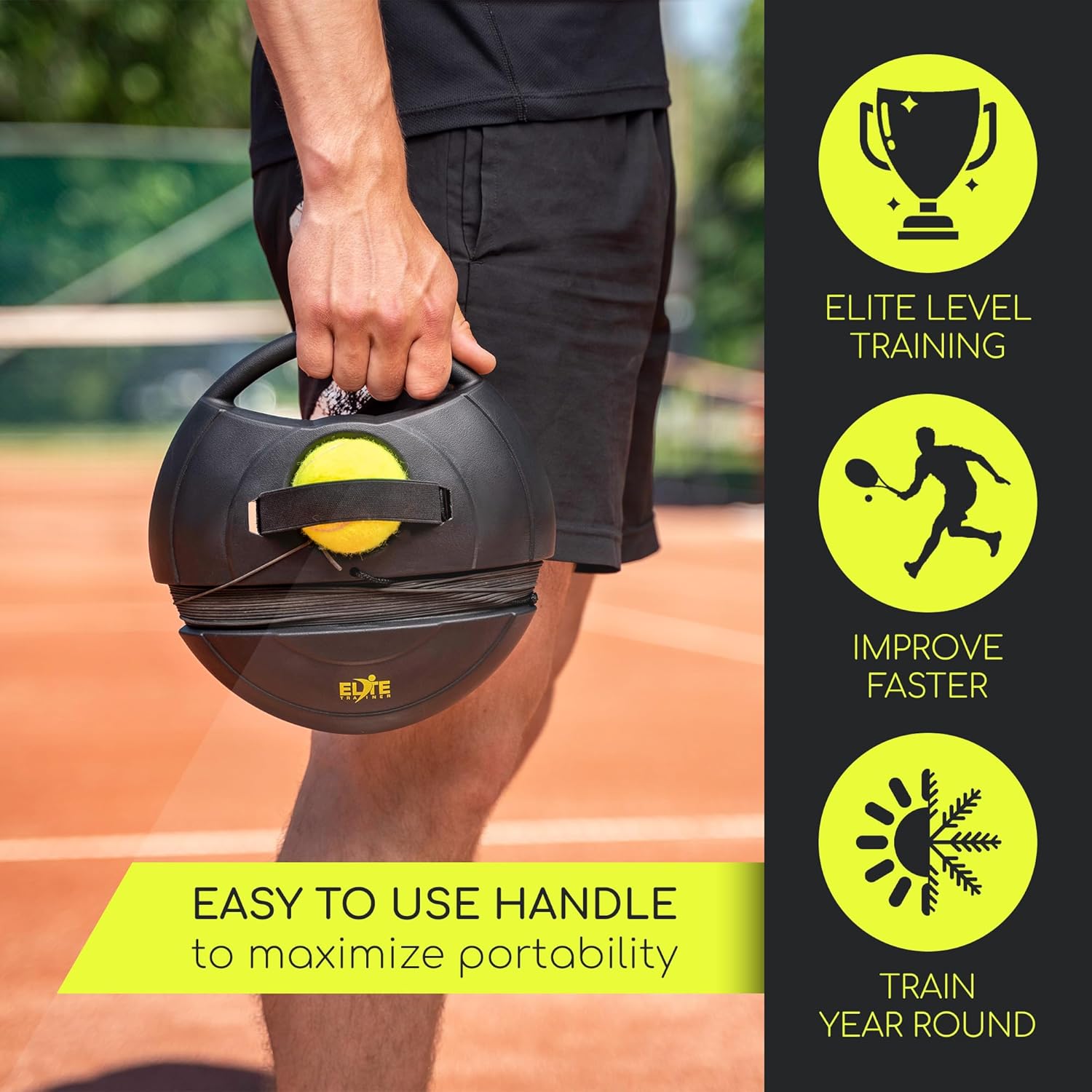
The padel trainer, or ball on a string, is an incredibly useful tool for solo practice. The ball is attached to an elastic cord, which is either connected to a pole or a belt worn around your waist. This setup allows the ball to be automatically returned to you after every shot, making it ideal for improving your swing timing, technique, and consistency.
Best for:
- Practicing volleys, smashes, and groundstrokes.
- Developing your swing path and timing without the need to chase after the ball.
Key Benefit:
- Instant ball return allows for high-intensity repetition, making it easier to maintain a rhythm and work on specific skills, especially for volleys and smashes.
Pressureless Padel Balls
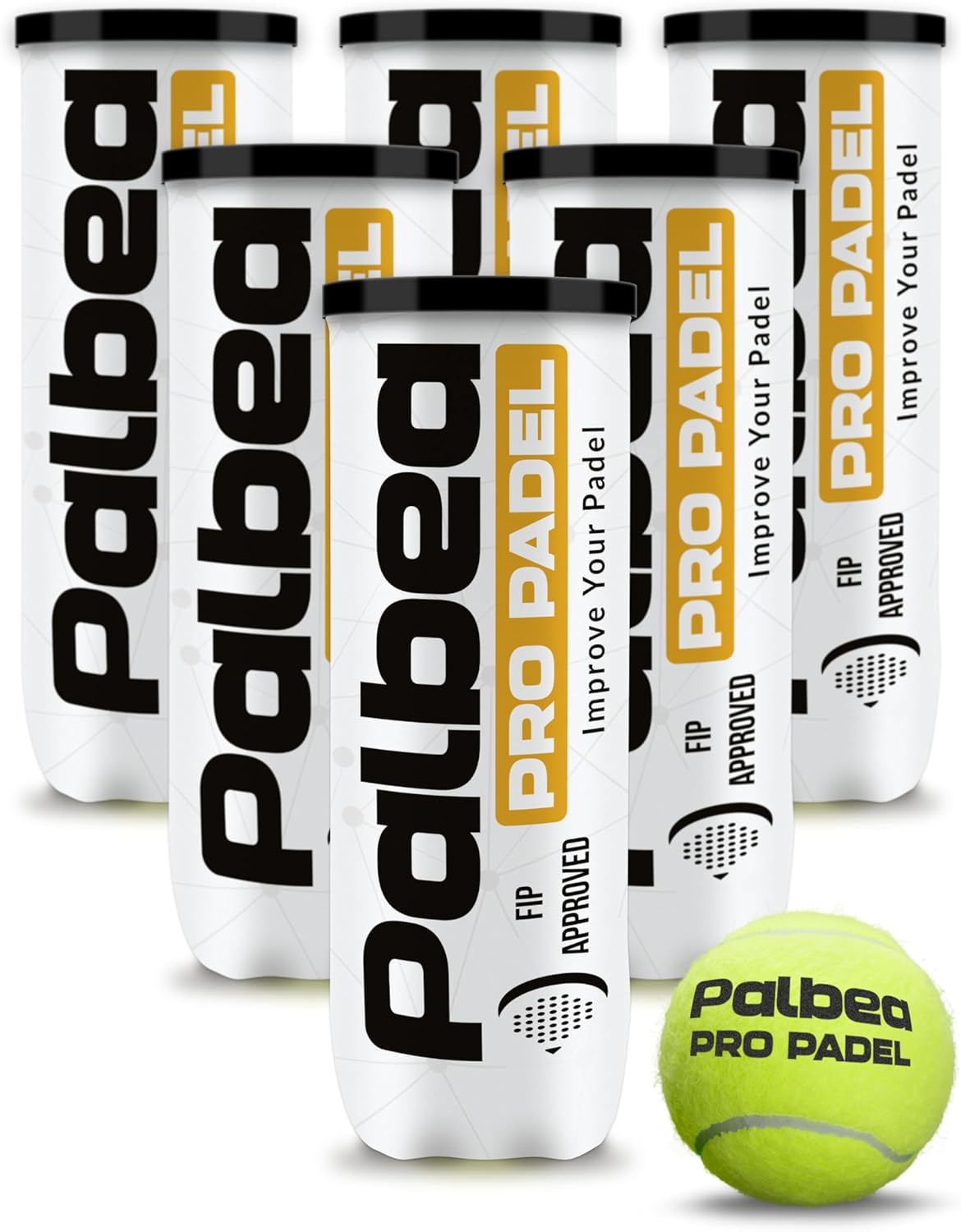
Pressureless padel balls are specifically designed for training purposes. These balls are more durable than standard balls and maintain their bounce and pressure for a longer period. They’re perfect for wall and rebound net training, as they don’t lose their bounce as quickly as regular balls.
Best for:
- Wall drills and rebound net training, where you’ll be hitting the ball multiple times in a short period.
Key Benefit:
- Consistent bounce makes for more reliable practice sessions, and you won’t have to worry about the ball going flat after a few uses, saving you money in the long run.
Tools for Shot-Specific Improvement
Padel Rebound Net / Backboard
A rebound net or backboard is a portable tool that returns the ball to you at a predictable angle. Unlike the flat surface of a wall, a rebound net mimics a more realistic ball return, which makes it ideal for practicing groundstrokes, lobs, and simulating game-like rallies.
Best for:
- Practicing groundstrokes, lobs, and volleys.
- Creating more realistic rebounds, especially when training alone.
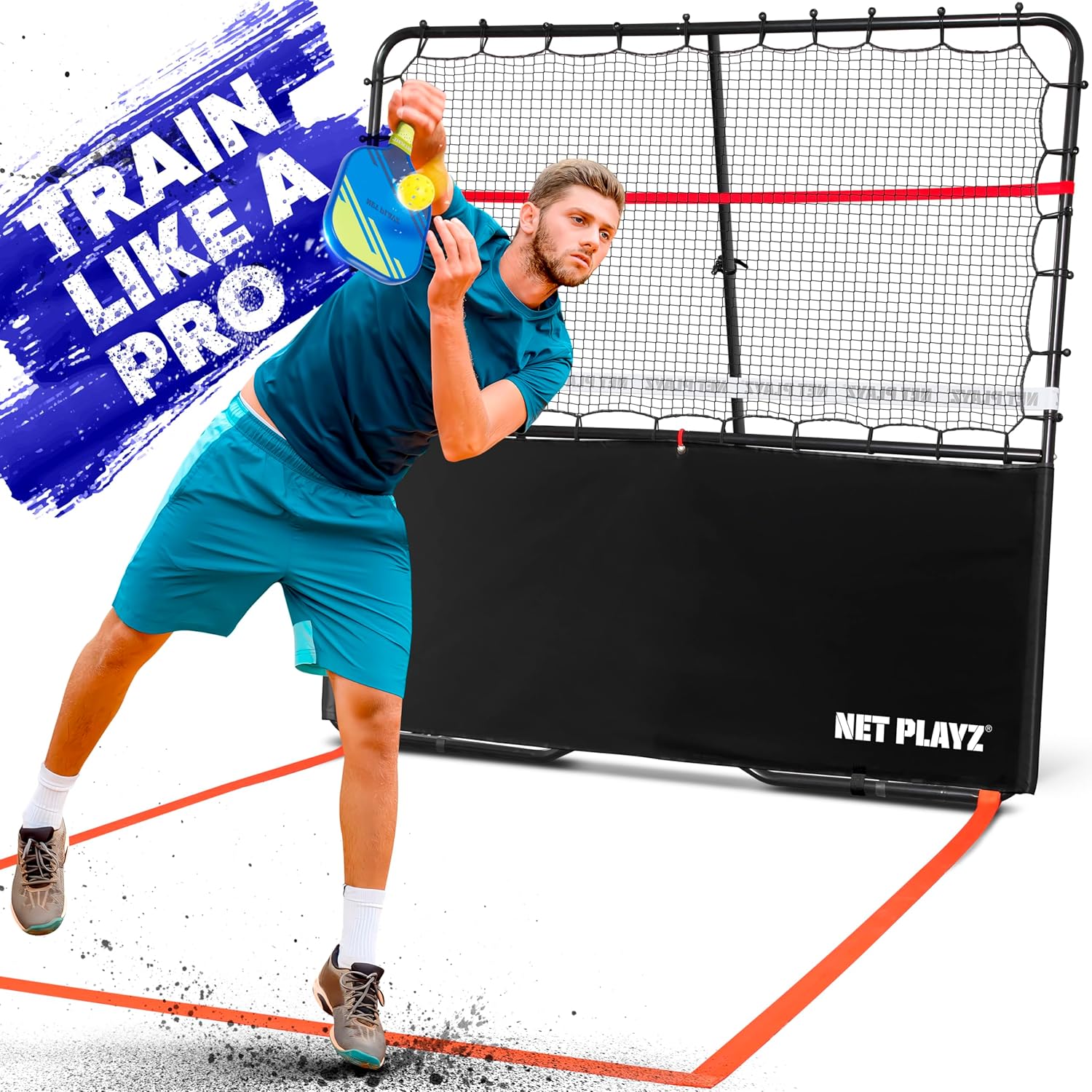
You can have short product description here. It can be added as and enable/disable toggle option from which user can have control on it.
Key Benefit:
- It helps you develop consistency by returning the ball at different angles, mimicking real game conditions more effectively than a wall.
Ball Launcher / Machine
A ball launcher or ball machine is the ultimate tool for serious solo practice. These machines automatically feed balls at set intervals, allowing you to focus purely on your shots and footwork without worrying about picking up balls after every hit.
Best for:
- Practicing specific shots like high defensive lobs, low volleys, or groundstrokes.
- Repetitive drill training for improving specific aspects of your game.
Key Benefit:
- Offers a consistent ball feed, which is ideal for honing your footwork, shot timing, and stroke mechanics.
Targets and Marker Cones
Targets and marker cones are simple but effective tools for improving shot accuracy. You can place these markers on the wall or court to aim for, helping you develop precision with every shot.
Best for:
- Practicing accuracy by aiming for specific targets or zones on the court or wall.
Key Benefit:
- Developing control and intent with every shot, which is essential for increasing your shot-making ability during real matches.
Building Padel-Specific Fitness & Footwork
Agility Ladder
Footwork is one of the most critical elements of padel. The agility ladder is a great tool for improving foot speed, coordination, and leg strength. It’s essential for those quick, short movements at the net and for recovering after each shot.
Best for:
- Improving foot speed, agility, and overall coordination, which are crucial for successful net play and court coverage.
Reaction Ball
The reaction ball is a uniquely shaped ball that bounces unpredictably, making it excellent for sharpening reflexes and hand-eye coordination. When practicing solo, you can bounce the ball against a wall and try to catch or hit it back with your padel racket.
Best for:
- Improving reflexes, coordination, and reaction time.
Resistance Bands
Resistance bands are great for building strength, particularly in your legs, arms, and core. They can be used for rotational exercises that mimic the movements required for shots like the bandeja or smash.
Best for:
- Strengthening muscles used in powerful shots and helping prevent injuries.
Creating Your Solo Padel Training Routine
Creating a structured training session for yourself will ensure you make the most out of your practice. Here’s a sample 30-minute session:
- Warm-up (5 mins): Jump rope or light footwork on the agility ladder to get your body moving.
- Technical Drills (15 mins):
- Volleys with the ball-on-a-string (5 minutes).
- Groundstrokes against the wall (focus on consistency) (5 minutes).
- Lobs and defensive shots with the rebound net (5 minutes).
- Footwork & Fitness (7 mins): Agility ladder drills and reaction ball exercises.
- Cool-down (3 mins): Light stretching with a resistance band to prevent injury.
Conclusion
Solo padel training can make a world of difference in your overall performance. By investing in the right training aids, you’ll be able to refine your skills, improve your fitness, and become a more well-rounded player. Whether it’s wall training, shot-specific tools, or fitness aids, the right equipment can accelerate your progress and make solo practice as effective as practicing with a partner.
Don’t wait for a partner or court time—start incorporating these tools into your training today. With commitment and the right tools, you can transform your solo practice into a powerful method for improving your padel game.
FAQs
Why is solo practice important for padel players?
Solo practice allows padel players to focus on the fundamentals of the game, such as grips, footwork, and swing technique, without the distractions of a partner. It helps improve consistency, muscle memory, and fitness, enabling players to enhance their overall performance on the court.
What are the best training aids for solo padel practice?
The best training aids for solo padel practice include a wall for basic drills, a padel trainer (ball on a string) for volley and smash practice, pressureless padel balls for consistent rebound, rebound nets for realistic shot practice, and agility ladders for improving footwork and fitness.
How can I improve my consistency with solo padel training?
Improving consistency involves repetitive practice with a focus on control. Using tools like the wall or rebound net allows you to practice your strokes continuously, developing precision and accuracy with every shot.
Can I practice padel without a partner?
Yes, you can practice padel solo with the right tools. Wall drills, rebound nets, ball machines, and agility training equipment provide all the necessary means to enhance your skills independently, making it possible to improve without a partner.
How do I create an effective solo training routine for padel?
An effective solo training routine involves warming up, technical drills focusing on shots like volleys and groundstrokes, footwork exercises with agility ladders, and cool-down stretches. A sample 30-minute session might include 5 minutes of warm-up, 15 minutes of technical drills, 7 minutes of footwork training, and 3 minutes of cool-down.