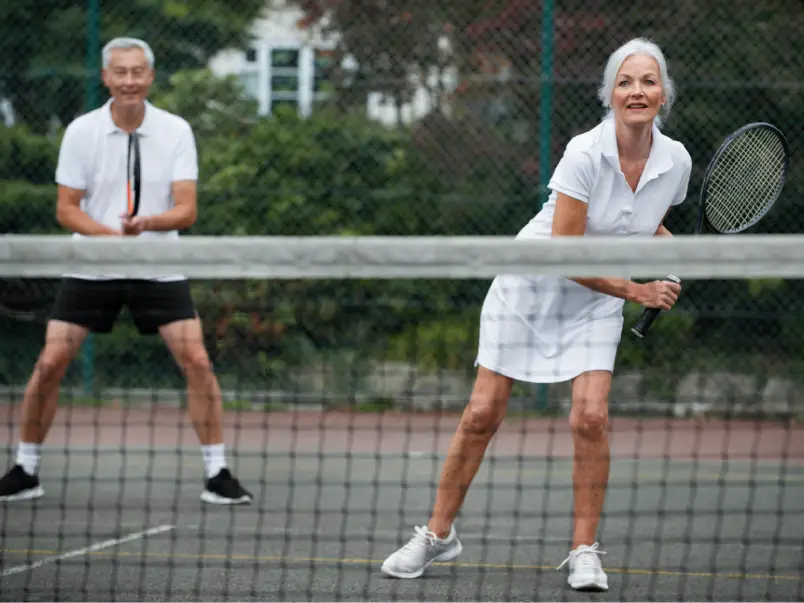
Age is just a number, but your racket choice can make all the difference. For players over 50, padel offers an enjoyable way to stay active, socialize, and improve physical health. However, as we age, our playing priorities shift from raw power to strategy, control, and above all, comfort. The right racket can make all the difference, allowing you to extend your playing years without risking injury or fatigue.
Many players over 50 prioritize consistency and precision in their game. Rather than focusing solely on hitting powerful shots, the goal becomes about placement, control, and enjoying the match without worrying about shoulder, elbow, or wrist pain. This guide is designed to help you make the best racket choice to ensure your comfort, arm protection, and overall enjoyment.
In this article, we’ll look at what makes a great padel racket for players over 50, key considerations for your specific needs, and top product recommendations that prioritize comfort, control, and arm-friendly technology.
What to Look For in a Padel Racket After 50
When selecting a padel racket, especially as you age, comfort and injury prevention become the primary focus. Several key characteristics of a racket can contribute to a better experience. Here’s what you should consider when choosing the right padel racket after 50:
Shape: The Foundation of Control
One of the most important factors in racket choice is the shape. The racket shape determines its sweet spot, control, and overall feel. For players over 50, a round shape is often the best option.
Round Shape:
This shape provides a larger sweet spot, which is more forgiving on off-center hits. This is crucial for maintaining consistent shots and improving control, especially for strategic players who rely on precision rather than power. Round-shaped rackets also help in reducing the likelihood of joint strain since they offer a balanced hit, preventing the shock from traveling too harshly through the arm.
Teardrop Shape:
Although it can provide a balance between power and control, the teardrop shape is typically better suited for younger, stronger players. Its smaller sweet spot can make it harder to control for those with less flexibility or joint issues.
Diamond Shape:
This shape is generally designed for power. With a smaller sweet spot located at the top of the racket, it can be difficult for older players to maintain control and accuracy, which can lead to frustration and fatigue.
Weight: Lightness for Speed and Comfort
Weight is another key factor that significantly affects comfort and control. For players over 50, it’s essential to opt for a lightweight racket (350-365g) or a medium-light racket (365-375g).
Lightweight Rackets:
These are ideal because they are easier to maneuver, especially at the net. A lightweight racket also causes less strain on your shoulder and elbow, which can help prevent overuse injuries such as tennis elbow. These rackets allow for quick reactions and smooth movements, which are crucial in fast-paced padel matches.
Medium Weight Rackets:
Rackets in the 365-375g range offer a slight increase in power without compromising on comfort. These are still relatively easy to handle but provide a bit more stability during powerful hits. It’s perfect for players who want more control but also need a racket that can deliver some force when required.
Avoid Heavier Rackets:
While heavier rackets can provide more power, they put extra strain on the body and joints. They can also make it harder to react quickly, especially if you have any limitations in mobility.
Balance: Low for Maneuverability
The balance of a racket determines how the weight is distributed. Low-balance rackets are often the best option for players over 50. A low-balance racket places more weight toward the handle, making the racket feel lighter and easier to swing.
Low Balance:
This helps improve maneuverability, which is crucial for quick net play and defensive shots. A low-balance racket allows you to react swiftly, without the heavy feeling that comes from a top-heavy racket.
High-Balance (Head-Heavy):
These rackets shift the weight toward the head, providing more power for strong hitters. However, they can be harder to control and can cause fatigue due to the extra weight at the top. These are best suited for younger players with more power in their shots.
Medium-Balance (Even):
These rackets are more balanced between power and control, but for players over 50, they may not offer the same level of ease in maneuverability.
Core: Soft for Shock Absorption
The core of a padel racket plays a crucial role in shock absorption, which is particularly important for older players. A soft core made from EVA Soft or EVA Multidensity foam is ideal for minimizing vibration and reducing joint strain.
- Soft EVA Core: Soft cores absorb more shock from the ball and reduce the vibration transferred to your arm. This is particularly helpful for preventing injuries like tennis elbow or padel elbow, which are common among older players.
- Hard Cores: These cores provide more power but can cause more vibration, which leads to discomfort and joint strain over time. Avoid these if you are looking to protect your arm and maintain comfort during play.
Material: Carbon Fiber vs. Fiberglass
Padel rackets are generally made from fiberglass, carbon fiber, or a combination of both.
- Fiberglass: This material offers more flexibility, providing a softer feel that is easier on the arm. Fiberglass is also more forgiving and enhances the sweet spot of the racket, which is essential for older players who may have slower reaction times.
- Carbon Fiber: While it’s stiffer and provides more power, carbon fiber can transmit more shock through the arm, leading to discomfort and potential injury. For players over 50, fiberglass or a carbon-fiberglass hybrid is often a better choice.
Key Considerations for the Mature Player
As players age, certain physical concerns become more pronounced. When selecting a padel racket, it’s important to consider the following factors:
Joint & Elbow Health
For older players, joint health is critical. Conditions like tennis elbow or shoulder strain can make playing padel uncomfortable or even painful. Choosing a racket with shock-absorbing features, such as a soft EVA core and a fiberglass face, is essential to prevent strain and ensure a more comfortable experience.
Power vs. Control
While younger players often focus on generating power, older players typically need a racket that prioritizes control. A racket that offers better control will allow you to place the ball with precision, making it easier to outplay your opponent without the need for powerful hits. It also reduces the need for aggressive swings, which can strain the shoulder or elbow.
Maneuverability
As we age, reaction times can decrease slightly, and it can become harder to get to the ball quickly. A light, low-balance racket helps compensate for this by making it easier to maneuver the racket and get to those quick volleys and defensive shots.
Comfort and Feel
Ultimately, comfort should be your top priority. The racket should feel good in your hand and not cause any discomfort during play. Features like a soft core, fiberglass face, and light weight all contribute to a more enjoyable playing experience, allowing you to focus on the fun of the game rather than on any pain or discomfort.
Top Padel Racket Picks for Players Over 50
Now that we’ve covered the key features to look for in a padel racket, let’s dive into our top recommendations. These rackets are handpicked for their comfort, control, and arm-friendly technology.
The Ultimate Control & Comfort King
Racket: Bullpadel Vertex 03 Comfort / Adidas Drive 3.0 / NOX ML10 Pro Cup
- Why it’s great: These rackets excel in control and comfort. The round shape maximizes the sweet spot, while the soft EVA core absorbs shock. The fiberglass face provides a softer feel, perfect for players who prioritize precision over power.
- Best for: Experienced players who value strategy and accuracy, and are looking for a comfortable, high-performance racket.
The Best for Sensitive Elbows & Joints
Racket: StarVie Metheora 2024 / Head Delta Pro
- Why it’s great: These rackets are designed with maximum shock absorption in mind, incorporating technologies like anti-vibration systems and extremely soft cores. They are specifically built to prevent arm pain and provide a comfortable playing experience for players with sensitive elbows.
- Best for: Players who have experienced joint pain and want a racket that minimizes strain.
The Perfect Lightweight All-Rounder
Racket: Babolat Counter Veron / Kuikma PR990 Hybrid Soft
- Why it’s great: These rackets offer the perfect balance of control and power, with a manageable weight that makes them easy to swing. They are perfect for those who still want versatility in their game, with the option to generate a bit more power when needed.
- Best for: Social players or beginners looking for a forgiving racket that’s comfortable and easy to use.
The Best Value for Money
Racket: Kuikma PR990 Hybrid Soft / Bullpadel Hack 03 Comfort
- Why it’s great: These rackets offer high-end features, such as a soft core and round shape, at an affordable price. They are perfect for players who want comfort and performance without breaking the bank.
- Best for: Budget-conscious players or newcomers who want to enjoy a comfortable racket at an entry-level price.
Final Tips Before You Buy
Try Before You Buy
If possible, test a friend’s racket or rent a few models before making a purchase. Feeling the racket in your hand and testing it on the court is the best way to determine if it suits your playstyle and comfort level.
Don’t Underestimate the Overgrip
An absorbent overgrip can significantly improve your comfort by reducing sweat buildup and providing a firmer grip on the racket handle. A good overgrip can enhance control and prevent your hand from slipping during play.
Consider a Vibration Dampener
A small vibration dampener can further reduce any harsh vibrations that might affect your joints, making your game more comfortable overall.
Listen to Your Body
If a racket feels too heavy or stiff during a demo, it’s probably not the right choice for you. Comfort should always come first.
Conclusion: Elevate Your Game with the Right Tool
Choosing the best padel racket after 50 is all about finding the right balance between comfort, control, and injury prevention. A round-shaped, lightweight racket with a soft core and fiberglass face will help protect your joints and enhance your playing experience.
By selecting a racket based on these principles, you’ll not only improve your performance but also ensure that you can enjoy the game for years to come. Remember, it’s not about playing harder—it’s about playing smarter, and the right racket will help you do just that.
FAQs
What is the best padel racket for players over 50?
The best padel racket for players over 50 focuses on comfort, control, and injury prevention. Rackets with a round shape, soft EVA core, and fiberglass face are ideal as they provide a larger sweet spot, reduce vibrations, and ensure a more comfortable playing experience.
Why is a round-shaped padel racket better for older players?
A round-shaped racket offers a larger sweet spot, making it more forgiving on off-center hits. This shape provides superior control and comfort, allowing older players to focus on precision and strategy rather than raw power.
How does the weight of a padel racket affect my game?
A lightweight racket (350-365g) is recommended for older players because it allows for quicker reactions, less strain on the arm, and reduced fatigue. It also makes it easier to maneuver the racket during fast exchanges at the net.
What is the best material for a padel racket for arm comfort?
Fiberglass is the best material for comfort, as it offers more flexibility and a softer feel compared to stiff carbon fiber. This reduces the vibration transmitted to the arm, minimizing the risk of injuries such as tennis elbow.
Can using the wrong padel racket cause injury?
Yes, using a racket that is too heavy, stiff, or not suited to your playing style can lead to joint strain and injuries like tennis elbow or shoulder pain. Choosing a racket with the right weight, balance, and shock absorption is crucial for injury prevention.
How do I know if a padel racket is right for me?
To find the right racket, consider factors like weight, balance, shape, core material, and comfort. Testing a few different rackets or getting advice from a knowledgeable expert can also help ensure that you choose a racket that suits your needs.
What is a good padel racket for beginners over 50?
A good beginner racket for players over 50 should be lightweight, with a round shape and a soft core for comfort. Rackets like the Babolat Counter Veron or Kuikma PR990 Hybrid Soft offer excellent balance, control, and are easy to use for those new to the game.